When a Property Needs a Concrete Retaining or Poured Wall
When a property needs a concrete retaining or poured wall, local contractors can help ensure proper installation to stabilize soil, prevent erosion, and improve landscape durability.
Understanding when a property needs a concrete retaining or poured wall is essential for maintaining stability and preventing future issues. These types of walls are often necessary when a landscape features significant elevation changes, slopes, or uneven terrain that could compromise the property’s foundation or safety. Property owners in the area may find themselves exploring this topic if they notice signs of soil erosion, shifting ground, or the need to create level spaces for outdoor improvements. Local contractors specializing in concrete retaining and poured wall installation can help assess the site and recommend solutions tailored to specific needs, ensuring long-lasting support and structural integrity.
Deciding on the right approach for a retaining or poured wall depends on various practical factors, including soil conditions, property layout, and future plans for the landscape. When a property requires additional support to manage soil pressure or prevent erosion, experienced service providers can deliver expert installation that blends durability with aesthetic appeal. Whether constructing a new retaining wall or replacing an aging structure, property owners can find local professionals equipped to handle the job efficiently, helping to protect the property’s value and usability. Keep reading to discover how these solutions might be the right choice for your property’s unique needs.
Get Quotes for Concrete Retaining Wall Or Poured Wall Installation
- Concrete retaining wall installation services are often needed when a property requires soil stabilization to prevent erosion or shifting. Local contractors can assess the site and design durable walls suited to the terrain and landscape features. Poured wall services are commonly sought when a property needs a strong foundation or support structure for basements and underground spaces. Local pros approach these projects by ensuring proper reinforcement and drainage to enhance stability and longevity. Both services are essential when property owners face grading challenges or want to create level outdoor areas.
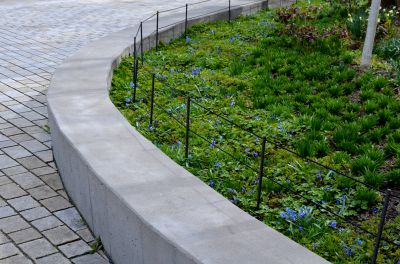
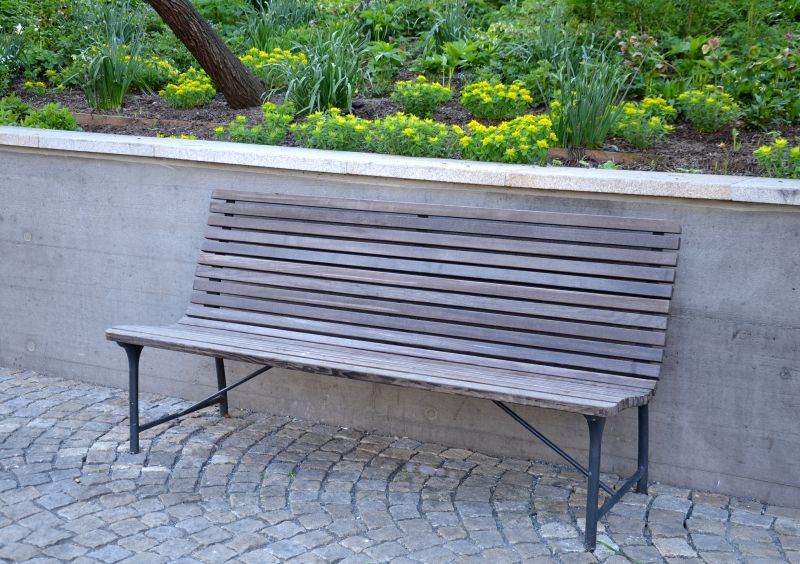
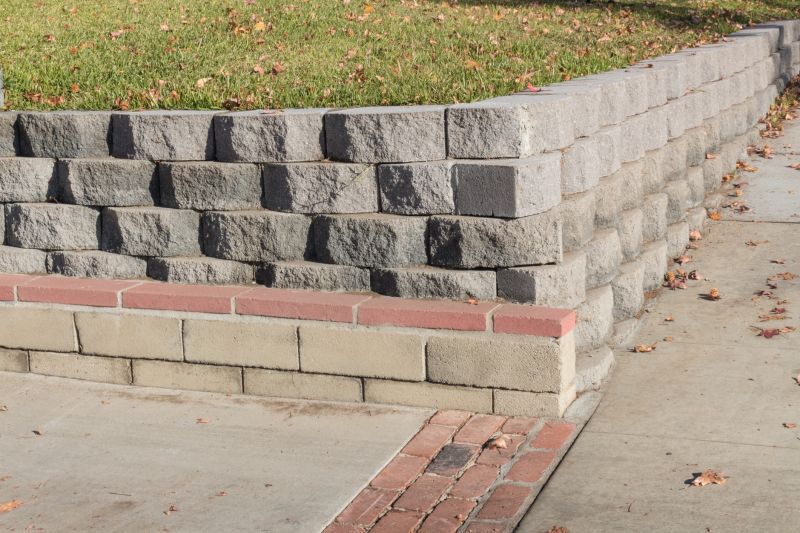
When a property needs a concrete retaining or poured wall, it often involves situations where land needs to be held back or supported to prevent shifting or collapse. Homeowners typically search for this topic when they notice signs of soil erosion, uneven landscaping, or shifting ground that threatens the stability of their property. These walls are essential for managing changes in terrain, especially on sloped lots or properties with significant elevation differences. Understanding when these structures are necessary can help homeowners plan for projects that improve safety, prevent property damage, and create usable outdoor spaces.
Many property owners consider concrete retaining or poured walls when planning major landscaping or renovation projects. These walls are commonly used to create level areas on sloped land, such as patios, driveways, or garden beds. They are also vital in situations where soil pressure from higher ground could cause erosion or damage to structures. Additionally, properties that experience frequent heavy rain or poor drainage might need these walls to control water flow and prevent flooding. Service providers who specialize in concrete retaining or poured wall installation can assess the specific needs of a property and recommend solutions that provide long-lasting stability and support.
The types of properties that typically require concrete retaining or poured walls include residential homes on hilly or uneven terrain, commercial properties with landscaping challenges, and multi-level developments. Residential properties with sloped yards often need these walls to create functional outdoor living spaces or to prevent soil from washing away. Commercial sites may use them to support parking lots or loading areas that are built into a hillside. Multi-family developments or condominiums, especially those with landscaped common areas, frequently incorporate retaining walls to maintain proper grading and drainage. Local contractors experienced in these installations understand the unique demands of different property types and can tailor solutions accordingly.
When a property faces issues like soil erosion, unstable slopes, or the need to expand usable outdoor space on uneven land, it may be time to consider a concrete retaining or poured wall. These structures are also essential when planning for future landscaping, drainage improvements, or foundation support. Homeowners and property managers who recognize these signs can benefit from consulting with local service providers who specialize in retaining and poured wall installation. These professionals can evaluate the site conditions, recommend appropriate wall types, and ensure that the project enhances both the safety and functionality of the property. Properly installed retaining or poured walls can provide long-term stability, helping properties withstand natural forces and support ongoing development efforts.
Foundation Repair Projects - these projects often require similar skills in concrete mixing, form setting, and reinforcement, making them comparable to installing poured or retaining walls.
Landscape Wall Construction - building landscape or garden walls involves planning and techniques similar to those used in concrete retaining wall installation.
Basement Wall Waterproofing - waterproofing basement walls shares planning and concrete application skills with poured wall services for structural stability.
Driveway and Sidewalk Pouring - creating durable concrete surfaces like driveways and sidewalks involves tools and planning comparable to poured wall projects.
Slope Stabilization Projects - stabilizing hillsides or embankments often requires retaining structures similar to concrete retaining walls.
Concrete Footing Installation - installing footings for various structures uses foundational skills that align with those needed for poured or retaining walls.
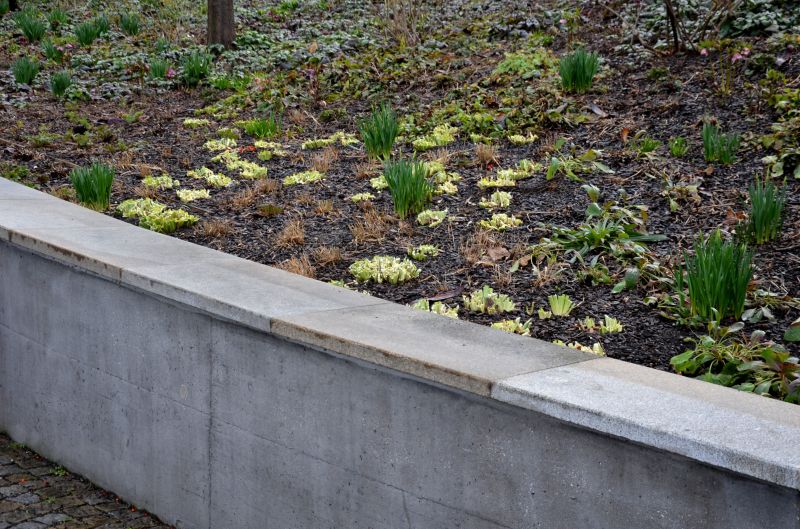
When evaluating contractors for concrete retaining or poured wall installation, it is essential to consider their experience with similar projects. Homeowners should inquire about the types of retaining walls or poured walls they have previously completed, paying attention to the complexity and scale of those jobs. A contractor’s familiarity with the specific challenges of retaining wall construction-such as soil conditions, drainage considerations, and structural requirements-can indicate their ability to deliver a durable and properly executed project. Checking references or reviewing case examples can provide insight into their track record and the quality of their work on comparable projects.
Clear written expectations are a critical component when comparing service providers for retaining or poured walls. Homeowners should seek detailed proposals that outline the scope of work, materials to be used, project timelines, and any warranties or guarantees. Having this information in writing helps ensure that all parties are aligned on the project’s specifics and reduces misunderstandings. Service providers who are transparent about their process and willing to provide comprehensive written estimates demonstrate professionalism and a commitment to clear communication, which is vital for a successful installation.
Good communication and reputable references are key indicators of a dependable contractor. Homeowners should look for providers who are responsive to questions, willing to discuss project details, and able to explain their approach in understandable terms. Additionally, seeking out references from previous clients can help confirm the contractor’s reliability and the quality of their work. A contractor who maintains open lines of communication and has positive feedback from past projects is more likely to manage the process smoothly and deliver results that meet expectations when a property needs a concrete retaining or poured wall.
Get a Quote for Concrete Retaining Wall Or Poured Wall Installation
Property owners often search for when a property needs a concrete retaining or poured wall when they are planning practical projects around their homes and businesses. Local pros provide Concrete Retaining Wall or Poured Wall Installation services for everyday jobs and straightforward project options.
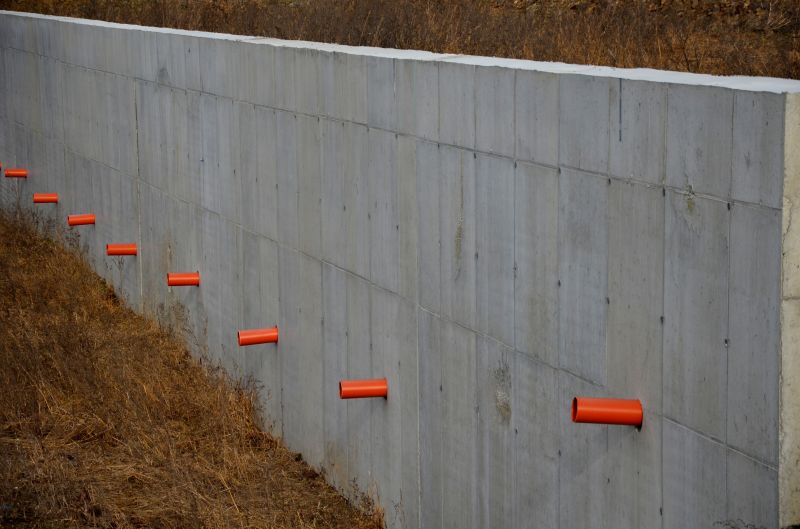
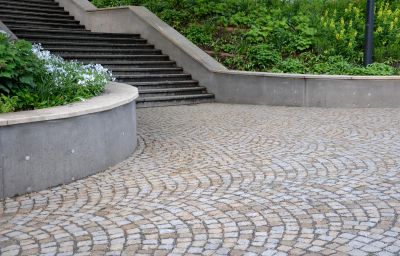
A property may need a concrete retaining or poured wall when there is a significant change in elevation on the land, such as hillside properties or yards with uneven terrain. These walls help prevent soil erosion, manage water runoff, and create level areas for landscaping, patios, or driveways. Homeowners often seek out local contractors for these projects when they notice shifting soil, cracks in existing walls, or the need to stabilize a slope to protect structures and improve outdoor usability.
In addition, a property might require a poured wall when building or reinforcing foundations, basement walls, or other structural elements that need durable support. Local service providers can assess the site and recommend appropriate solutions to ensure stability and longevity. Whether it’s for a new construction project or repairing aging walls, property owners typically look for experienced contractors who specialize in concrete retaining and poured wall installation to handle the job efficiently and safely.
Get a Quote for Concrete Retaining Wall Or Poured Wall Installation
When should a property consider installing a concrete retaining or poured wall? A property might need a concrete retaining or poured wall when there is significant elevation change that requires stabilization to prevent soil erosion or collapse.
What signs indicate a concrete retaining or poured wall might be necessary? Signs include soil slumping, cracking or leaning walls, or areas where the ground shifts or settles unexpectedly.
How can a concrete retaining or poured wall help with property landscaping? These walls can create level areas, support terraced gardens, or prevent erosion, enhancing both functionality and appearance.
In what situations is a poured wall preferred over other types of retaining walls? Poured walls are often chosen for their durability and seamless appearance, especially in situations requiring strong structural support or custom shapes.
How do local contractors determine if a property needs a concrete retaining or poured wall? They assess soil conditions, slope stability, and the property's landscape features to recommend appropriate wall solutions.
Assessing slope stability - when a property has a hillside or uneven terrain, local contractors can install a concrete retaining or poured wall to prevent soil erosion and ensure stability.
Creating level outdoor spaces - in cases where a yard needs to be terraced or leveled, a poured wall can define different levels and improve usability.
Supporting foundation structures - if a property’s foundation shows signs of shifting or cracking, experts can add retaining walls to reinforce the structure’s integrity.
Designing landscape features - for properties looking to add decorative or functional landscape elements, concrete walls can serve as borders, planters, or seating areas with professional installation.
If you are thinking about when a property needs a concrete retaining or poured wall for a property, this guide is meant to help you understand this topic, the typical project types, and how different options might fit your plans.
When you are ready, you can use the quote form on this page to share a few details about your project. From there, local pros can review the basics and follow up with options that match what you have in mind.
Get a Quote for Concrete Retaining Wall Or Poured Wall Installation